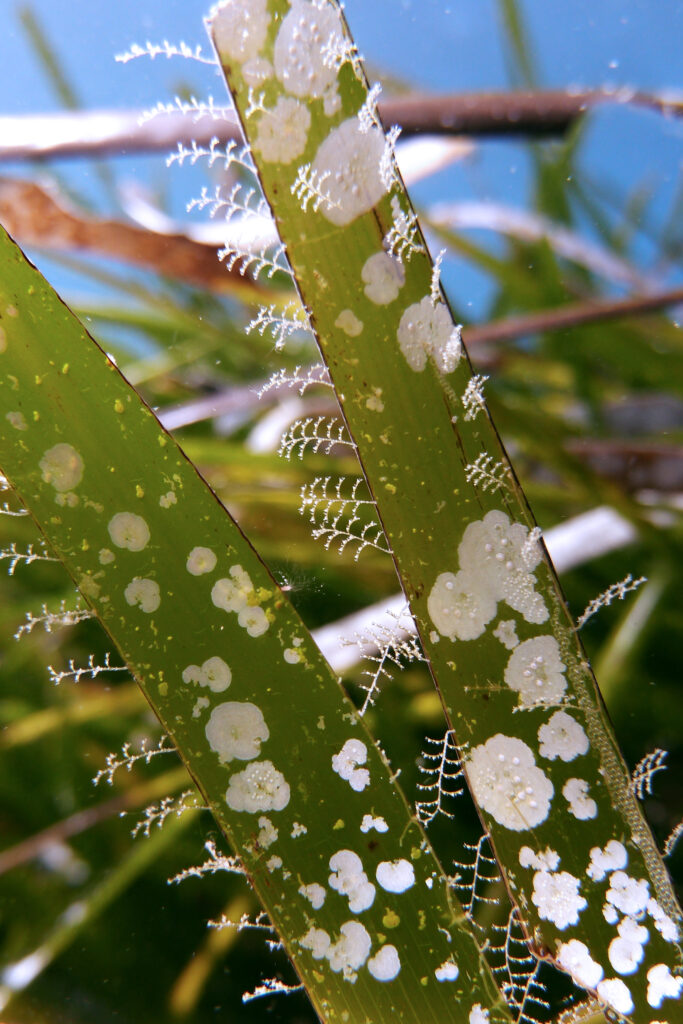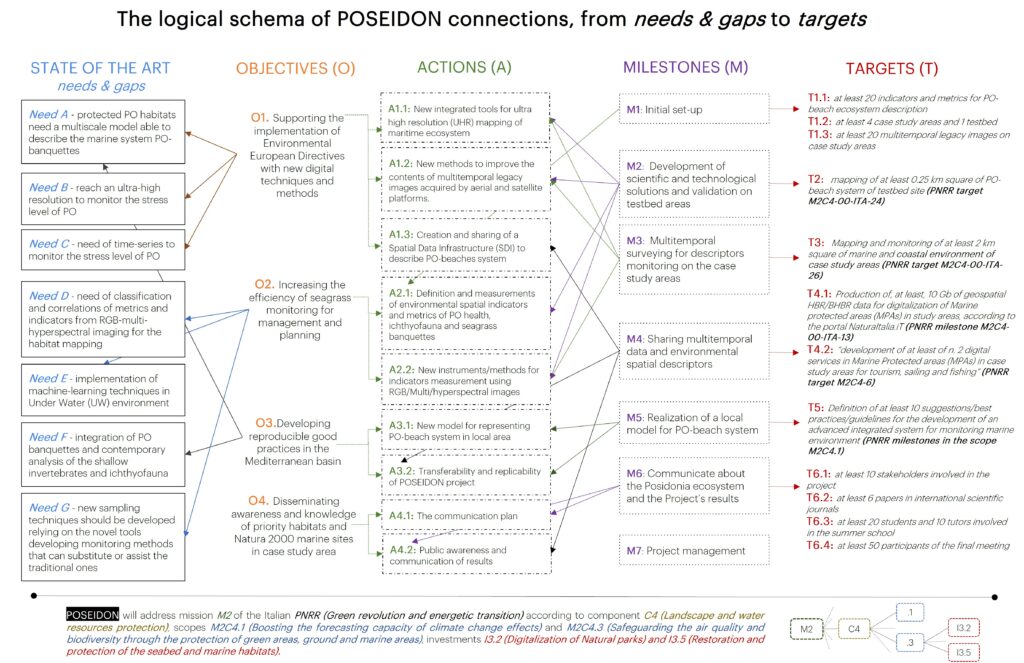
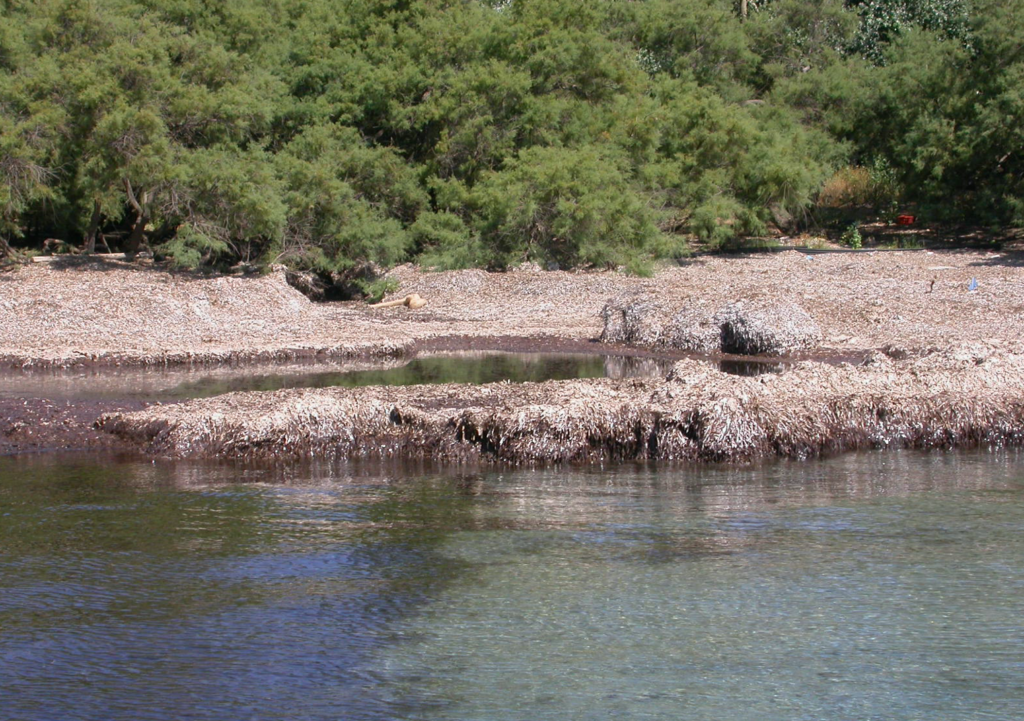
In the framework of Blue Carbon Initiative, POSEIDON aims to contribute to the seagrass meadows’ conservation by enabling additional, accurate and dense information on the presence and evolution of Posidonia Oceanica (PO) meadows across a range of conditions (pristine, degraded, and restored camps), and banquettes. To this aim, specific marine coastal areas in Sardinia will be selected based on conservation status (North Sardinia for the pristine, Olbia for the degraded, and Villasimius and Golfo Aranci for the restoration camps) to validate new data acquisition techniques by coupling them with traditional PO data collection methods (SCUBA visual census on the meadow density and canopy structure and biochemical analysis of leaf material for fatty acid profiles).
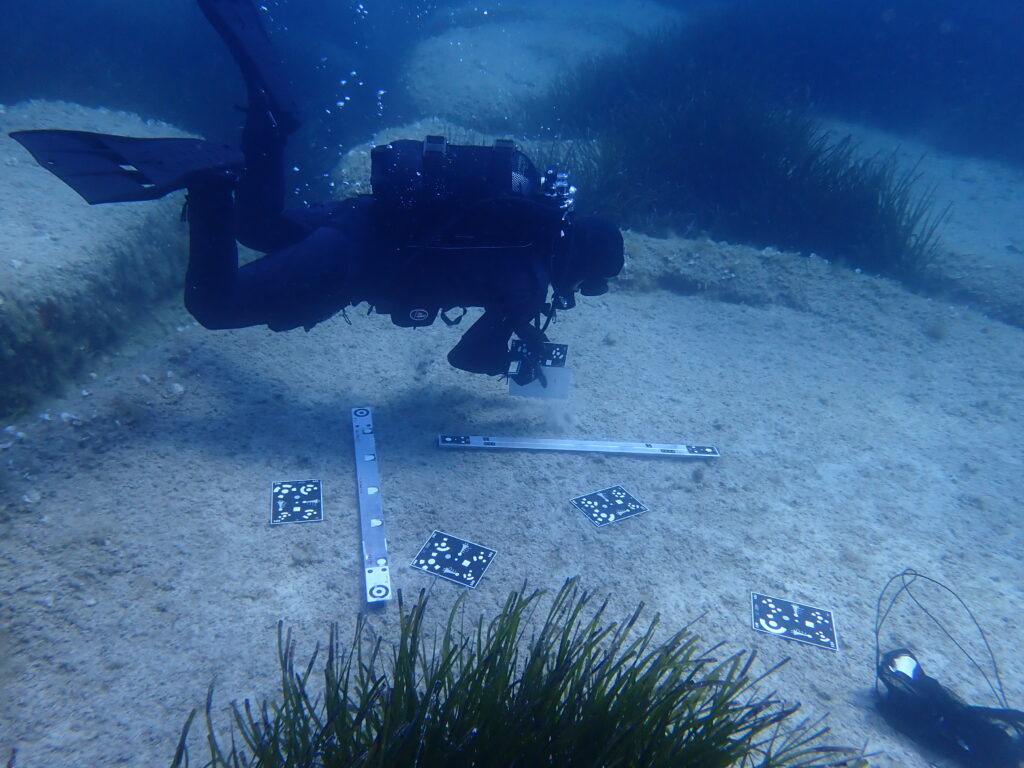
Objective 1 (O1): Supporting the Implementation of European Environmental Directives with New Digital Techniques and Methods
- Action A1.1: Innovative Tools for Ultra-High Resolution Mapping of Marine Ecosystems
- Development of digital methods for mapping and monitoring marine ecosystems with a resolution of a few cm.
- Creation of a framework for multisensor data fusion from autonomous platforms (drone, USV, AUV).
- Development of machine learning for automatic extraction of ultra-high resolution thematic maps.
- Action A1.3: Creation and Sharing of a Spatial Data Infrastructure (SDI)
- Development of a spatial information system (webGIS) to collect, store, and share acquired data and analysis results.
Objective 2 (O2): Increasing the Efficiency of Seagrass Monitoring for Management and Planning
- Action A2.1: Definition and Measurement of Environmental Indicators for the Health of Posidonia and Ichthyofauna
- Investigation of descriptors for monitoring the conservation status of Posidonia meadows (morphological, biochemical, genetic).
- Action A2.2: New Instruments/Methods for Measuring Indicators Using RGB/Multi/hyperspectral Images
Use of imaging sensors to acquire high-resolution data for monitoring ecosystem health.
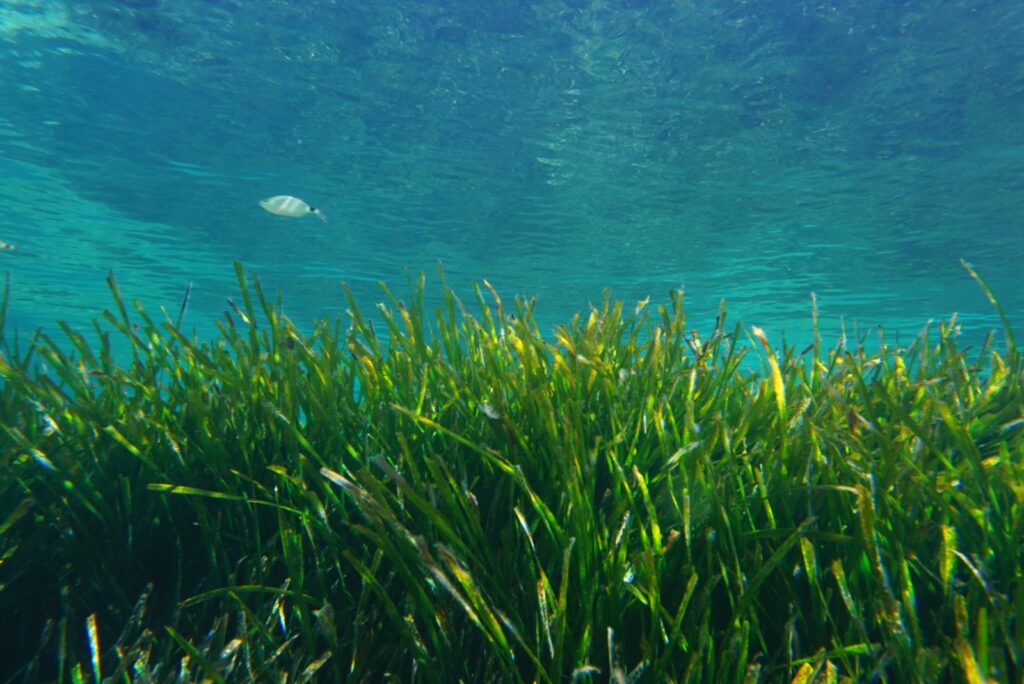
Objective 3 (O3): Developing Replicable Best Practices in the Mediterranean Basin
- Action A3.1: New Model for Representing the Posidonia System in a Local Area. Development of a conceptual ecological
model to identify the ecological and human factors influencing the marine ecosystem. - Action A3.2: Transferability and Replicability of the POSEIDON Project Sharing project results through scientific papers, guidelines, summer schools, and webGIS platforms.
Objective 4 (O4): Raising Awareness and Disseminating Knowledge of Priority Habitats and
Natura 2000 Marine Sites
- Action A4.1: Communication Plan Raising awareness about the importance of Posidonia habitats and Natura
2000 sites among sea users.struments/Methods for Measuring Indicators Using RGB/Multi/hyperspectral Images
Use of imaging sensors to acquire high-resolution data for monitoring ecosystem health. - Action A4.2: Public Awareness and Communication of Results Distribution of informational materials, participation
in seminars and conferences, and meetings with local communities.
Development of a mobile/web platform (Poseidon Web App) to share information and promote public knowledge.